Shorter Cycles
Dynamic modelling helps keep movement, acceleration, and path-following time under control.
Kavin Inc integrates ABB-style workpiece positioners with robot coordination for welding cells that need better access, safer loading, faster part reorientation, and repeatable weld angles.
ABB workpiece positioners are designed to move in coordination with the robot during programming and production. Their drive and software platform aligns with ABB robots, helping cells rotate or tilt parts into the preferred weld position.
High Performance Positioner software, dynamic modelling, and LoadID support faster reorientation while compensating for gravity, inertia, friction, fixture weight, and workpiece center of gravity.
Dynamic modelling helps keep movement, acceleration, and path-following time under control.
Modular layouts and fewer robust moving parts support easier upkeep in production cells.
Positioner cells can be planned with guards, interlocks, screens, and safer load/unload zones.
The range supports increasingly large, complex, and heavy welded parts.
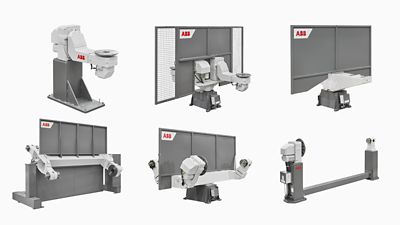
The ABB portfolio includes vertical lifters, geometry tooling, two-axis stations, turntables, and heavy-duty headstock/tailstock systems. Kavin Inc can help map the right positioner family to your part envelope, robot reach, fixture weight, and throughput target.
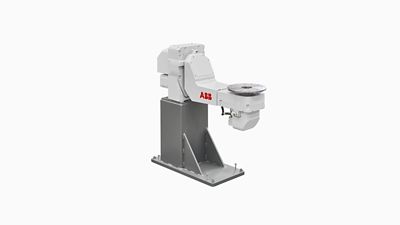
Two-axis orientation for one or two station applications where the part must rotate into the best process angle.
View ABB details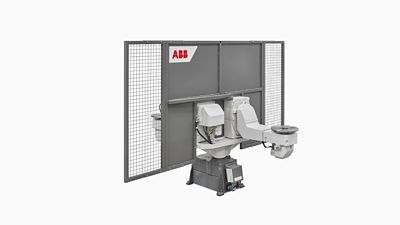
Twin-station loading and welding arrangement with two-axis rotation for productive robotic welding cells.
View ABB details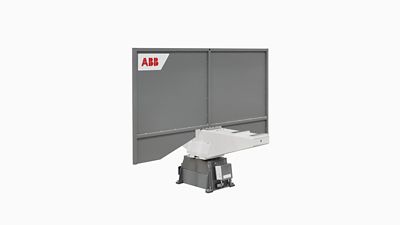
Twin-station positioner for heavier workpieces, protected for harsh industrial production environments.
View ABB details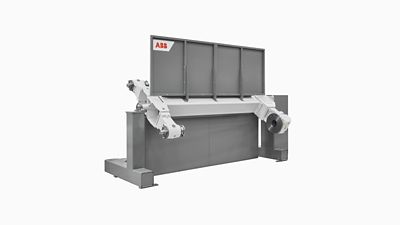
Compact turntable-style positioner focused on station change efficiency and productive floor-space use.
View ABB details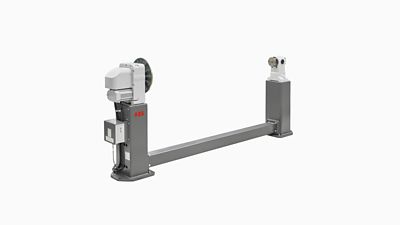
Heavy-duty family for long and large workpieces requiring high capacity and coordinated motion.
View ABB details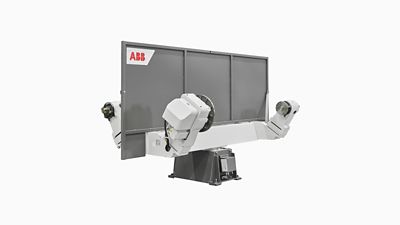
Twin-station layout with standardized rotating plates and adaptive software for repeat production.
View ABB details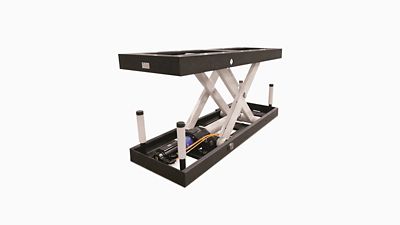
Vertical lifter for precise workpiece height control, with options for lift-and-carry transfer concepts.
View ABB details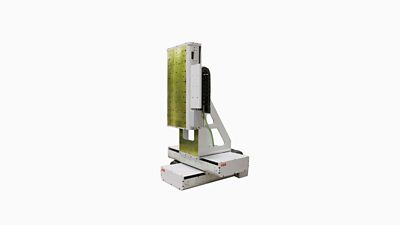
Rigid, repeatable positioning for clamping and pin-locator tooling in flexible manufacturing setups.
View ABB detailsPositioners are delivered with integration planning to match your robot brand, power source, and workflow.
Widely used in heavy fabrication, automotive sub-assemblies, construction equipment frames, pressure part welding, and repeat production fixtures where weld quality and cycle consistency are critical.
ABB publishes the latest public product data through ABB Library. Use these links to open the current documents directly from ABB.