Curriculum

One Robot, Many Practical Skill Paths

The experiential learning cell helps faculty run modules across robot programming, welding automation, PLC-HMI communication, AGV integration, tracking, sorting, dispensing and camera-based inspection.

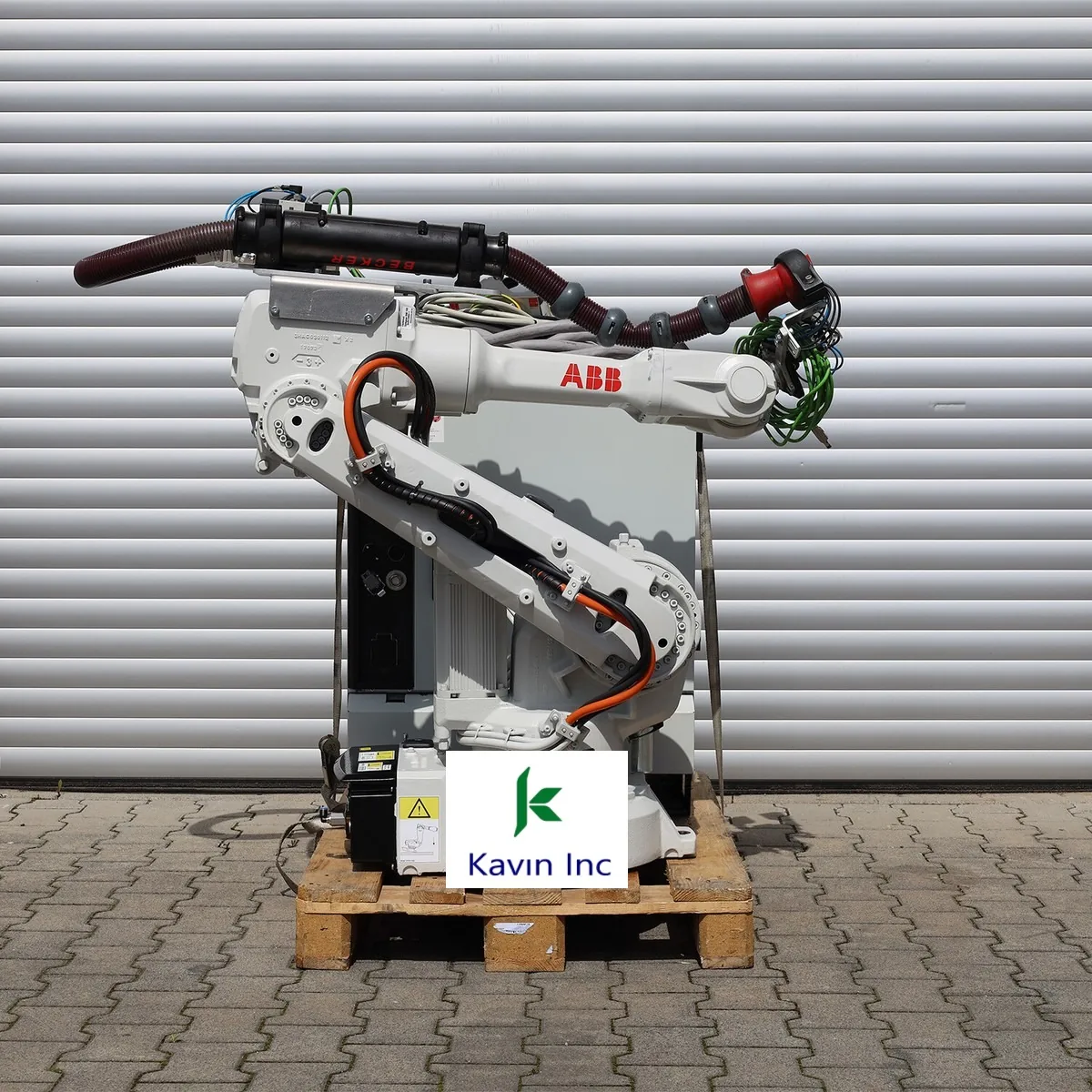
Robotic welding setup for practical training
Teach Simulate Validate

Core Modules

Each module can be adapted for diploma, undergraduate, postgraduate, faculty development or industry-readiness programs.

Robot + Process Learning

  • Robot axis movement, jogging, work envelopes and safe operating zones.
  • Teach pendant operation, path creation, point editing and program flow.
  • Robotic arc welding path teaching, weld parameters and quality checks.
  • Assembly handling using grippers, fixtures and pick-and-place logic.

Automation + Intelligence

  • PLC and HMI based external communication for electrical and automation modules.
  • AGV navigation concepts with safety interlock integration.
  • Vision or sensor-based sorting by shape, colour or size.
  • Camera inspection, defect detection and pass/fail decision logic.

Learning Outcomes

The cell is built to make students comfortable around the language, discipline and workflow of industrial automation teams.

Programming Confidence

Create and revise robot paths, understand sequence logic and connect simulation with shop-floor motion.

Safety Awareness

Learn safety fencing, interlocks, operating discipline and controlled commissioning behavior.

Troubleshooting Mindset

Read faults, inspect process variables and reason through common cell-level issues.

Shape the modules around your departments.

Kavin Inc can discuss curriculum mapping, faculty onboarding, seminar formats and student training modules for your institution.

Plan Curriculum