Robot welding cells
Production fixtures planned around robot envelope, positioners, guarding, and torch service access.
Kavin Inc designs and builds custom welding fixtures for robotic welding cells, cobot welding workstations, and repeat fabrication jobs in Coimbatore and across Tamil Nadu. A good fixture holds the part in the same location every cycle, gives the torch clean access to the joint, and helps operators load parts quickly without fighting distortion or clamp interference.
For robotic welding, the fixture is not just a holding device. It is part of the process. If the datum is weak, the clamp hides the joint, or the part shifts during welding, the robot will repeat the same error every cycle. We plan fixtures around part location, torch approach, weld sequence, operator loading, safety access, and long-term serviceability.
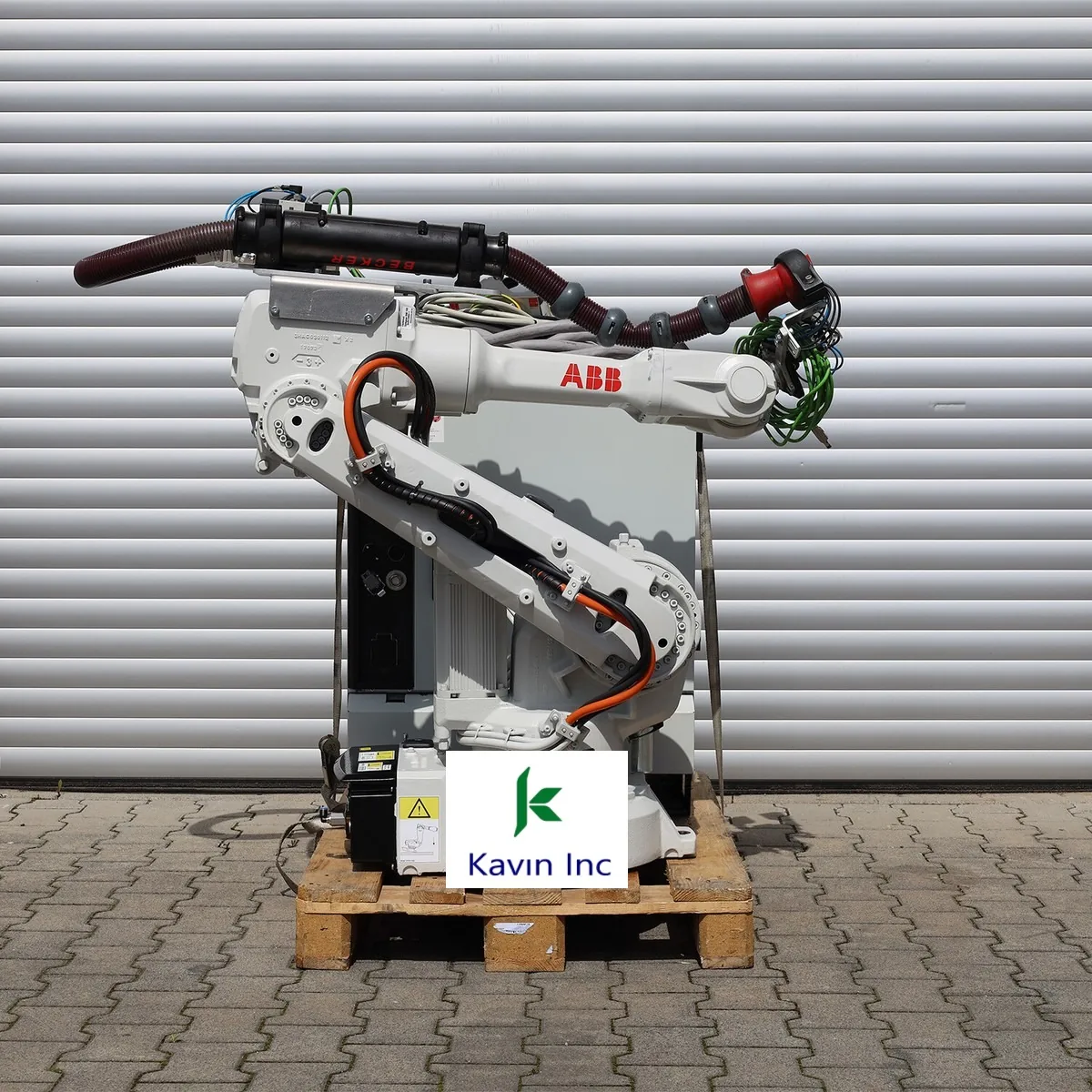
We support manufacturers who need fixtures for new automation projects, manual-to-robot conversion, weld proving trials, and fixture corrections on existing cells. The work can include base frames, rest pads, locators, pneumatic or manual clamps, datum planning, tack sequence review, robot reach checks, and access review for MIG/MAG torch angles.
Depending on the application, Kavin Inc can support concept development, fixture design inputs, manufacturing coordination, proving, and commissioning support. For production cells, we review the fixture together with robot model, positioner selection, cable routing, wire feeder location, torch cleaning access, and operator movement around the cell.
Our fixture approach starts with the part. We identify the natural datum, expected variation from upstream processes, weld access requirements, and the sequence in which the part should be restrained. This helps reduce manual adjustment during loading and gives the robot a repeatable reference for the weld path.
We can support welding fixture planning for fabrication frames, machine bases, sheet-metal assemblies, brackets, automotive parts, agricultural equipment parts, construction equipment parts, pressure-part subassemblies, and other repeat components. The fixture can be planned for a fixed table, rotary positioner, headstock-tailstock arrangement, turntable, or linear-track robot layout.
For cobot welding, fixtures are often compact and quick-change oriented. For full robotic cells, fixtures may need stronger datum control, guarding clearance, cable clearance, and operator-safe loading zones. In both cases, the goal is the same: hold the component consistently so the welding process can be repeated with confidence.
Weld quality depends on more than the robot program. If the part fit-up changes, the robot path may no longer match the joint. A fixture should control movement before and during welding, allow gas coverage and torch angle, and avoid placing clamps where they block the weld or create difficult rework areas.
Kavin Inc reviews fixture repeatability together with weld proving. Trial welds help confirm whether the planned holding method can maintain joint position, bead appearance, penetration expectation, and production practicality. This reduces the risk of building a cell around a fixture that works in CAD but struggles on the shop floor.
Fixture planning can be aligned with ABB welding robots, FANUC Arc Mate robots, CRP welding robots, and collaborative welding systems. We consider robot reach, wrist access, torch package length, wire feeder position, positioner movement, safety fence clearance, and whether the operator can load the part without entering an unsafe area.
For existing cells, we can review fixture problems such as poor access, repeated program touch-up, inconsistent part location, difficult clamp operation, or distortion-related variation. For new cells, we can review the fixture during concept stage so the automation plan starts with realistic welding access.
A practical fixture project usually moves through four steps. First, we review the component, welds, volume, tolerance needs, and existing process. Second, we plan holding, access, and sequence. Third, the fixture is manufactured or modified. Fourth, weld proving and commissioning confirm that the fixture supports production, not just part holding.
For customers in Coimbatore, Tamil Nadu, and nearby industrial regions, this approach helps connect fixture design with the complete automation decision: robot selection, cobot suitability, weld parameters, operator training, maintenance access, and future production expansion.
Welding fixtures are most useful for fabricators who make repeat parts and want consistent bead position, lower rework, easier operator loading, and stable robot programs. They are also important when a shop wants to phase automation, because the fixture proves whether the part can be held, reached, and welded reliably before scaling to a complete cell.
Production fixtures planned around robot envelope, positioners, guarding, and torch service access.
Compact fixtures for high-mix work where fast changeover and simple loading matter.
Trial fixtures to confirm joint access, sequence, distortion behavior, and repeatability.
Fixture design works best when it is reviewed together with welding process, robot programming, and cell layout. Kavin Inc can combine fixture planning with weld proving, robot programming, cobot welding, and robotic welding cell integration so the project moves from sample weld to production handover with fewer surprises.
Yes. We can review part location, clamp access, weld sequence, torch clearance, and repeatability issues on existing manual or robotic fixtures.
Not always. Manual clamps can work for lower-volume jobs. Pneumatic or hybrid clamping is useful when speed, repeatability, and operator ergonomics justify it.
Yes. Weld proving can confirm access, fit-up, distortion, bead quality, and fixture practicality before a larger automation investment.