Solving the Welding Manpower Shortage in Coimbatore Fabrication Shops
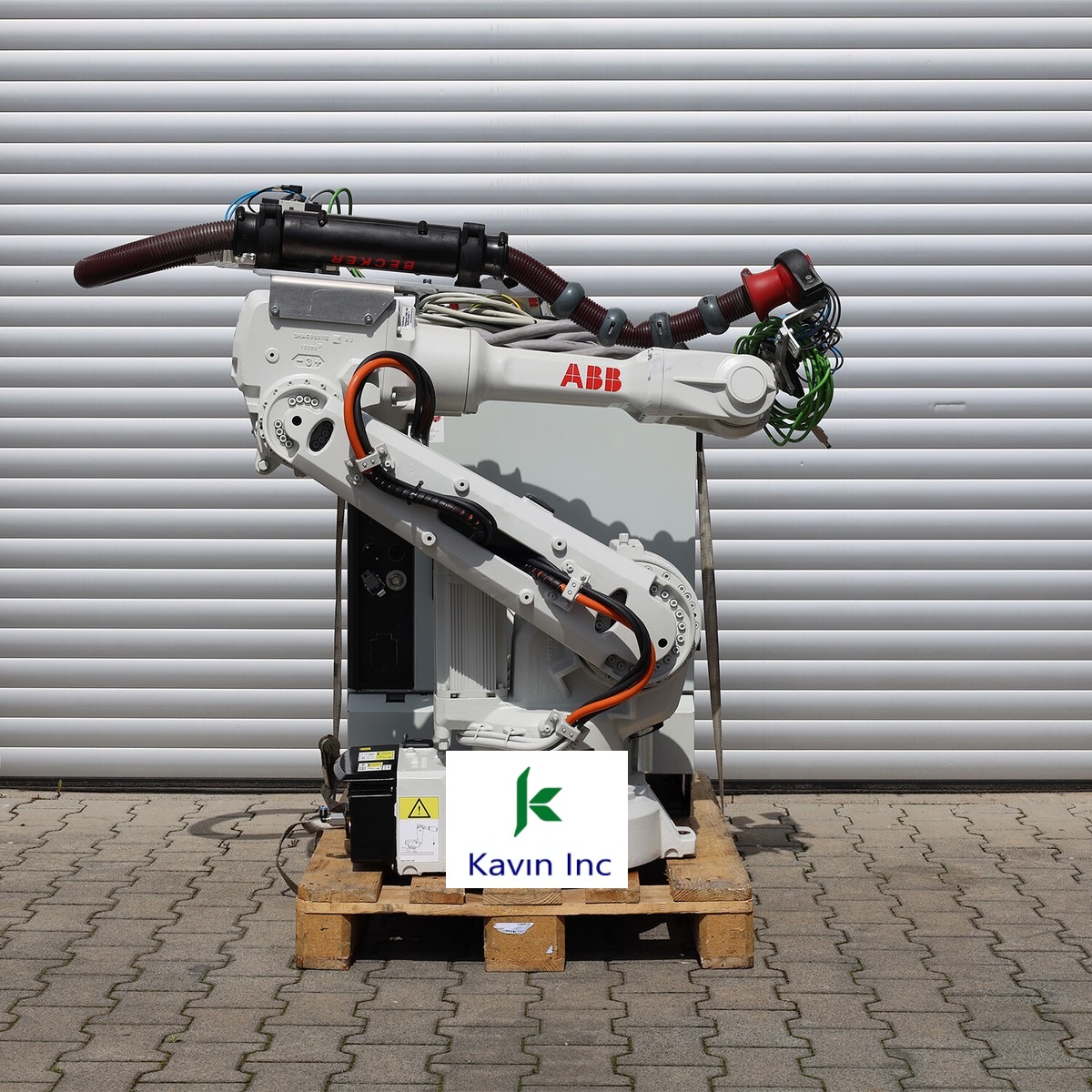
Coimbatore's industrial cluster—spanning pump manufacturing, textile machinery, automotive components, and heavy structural engineering—is currently facing its most severe welder shortage in over two decades. Certified 3G/4G and 6G welders are in constant deficit, with high worker turnover directly threatening delivery commitments.
Why the Manpower Shortage Hits Hardest in Tier-2/3 Clusters
In typical Coimbatore fabrication hubs such as Chinnavedampatti, Ganapathy, SIDCO Kurichi, and Trichy Road, fabricators often rely on migrant welders who return to their home states during agricultural harvest seasons. When three out of five manual welders are absent, production lines halt, penalties accrue, and component rework escalates.
Furthermore, younger workers prefer CNC machining, quality inspection, or CAD design over the harsh ergonomic conditions of manual arc welding—intense radiant heat, toxic fumes, and spatter burns.
Collaborative Cobots vs. Industrial Robot Cells: Where to Begin?
Many fabricators hesitate to automate because they fear robotic welding requires extensive safety fencing, massive civil foundations, and dedicated programming personnel. The introduction of modern collaborative robots (Cobots) like the ABB GoFa and Fanuc CRX series has transformed this paradigm.
| Factor | Manual Skilled Welder | Collaborative Cobot (GoFa/CRX) | 6-Axis Dedicated Robotic Cell |
|---|---|---|---|
| Arc-On Duty Cycle | 20% - 30% (fatigue & prep) | 70% - 80% | 85% - 92% |
| Safety Footprint | Standard welding bay | Zero fencing / optical scanner | Enclosed interlocked safety cell |
| Programming Effort | Manual skill required | Lead-through teach in 15 mins | Pendant RAPID / TP programs |
| Typical Batch Suitability | Job shop / 1-off prototypes | High-mix / Low-to-medium volume | High volume repeat production |
The Three Pillars of a Successful Transition
1. Precision Tooling and Fixturing
A robot repeats the exact programmed seam coordinates with 0.05 mm repeatability. If your upstream sheet metal cutting or bending produces joint gap variations exceeding 1.2 mm, the robot will deposit wire into air. Standardizing modular clamping fixtures and torch cleaning stations (such as the VELAR TC-100) is crucial before power-up.
2. Weld-Proving Trials Before Capital Commitment
Never invest in a robotic cell based solely on brochure cycle times. At Kavin Inc, we run full weld proving with your production components at our Coimbatore demo facility: testing weld penetration, micro-structure, macro-etching, and calculating the exact gram-per-meter wire savings.
3. Up-skilling Existing Floor Operators
Robotic automation does not replace shop-floor staff; it elevates them into cell operators and programmers. An existing manual welder knows weld pools, travel angles, and shielding gas flow rates far better than a software technician. Training them on ABB RobotStudio or handheld lead-through teaching ensures rapid shop floor acceptance.
Key Takeaways for Shop Owners
- Arc-On Time Triples: Move from 25% human arc duty to 75%+ continuous automated deposition.
- Cobots Eliminate Floor Footprint Concerns: Deploy cobot stations in place of existing manual bays without civil rework.
- Weld Proving Guarantees ROI: Prove weld penetration and cycle time on your physical parts before procurement.

Discussion